
CyanSin
Special Projects Team
Professional Qualifications
- Bachelor of Psychology (Hons) (Cardiff University, United Kingdom)
- Master of Clinical Psychology (Taylor’s University, Malaysia)
Professional Affiliation(s)
- Malaysian Allied Health Professions Council (Clinical Psychologist): MAHPC(CP)00664
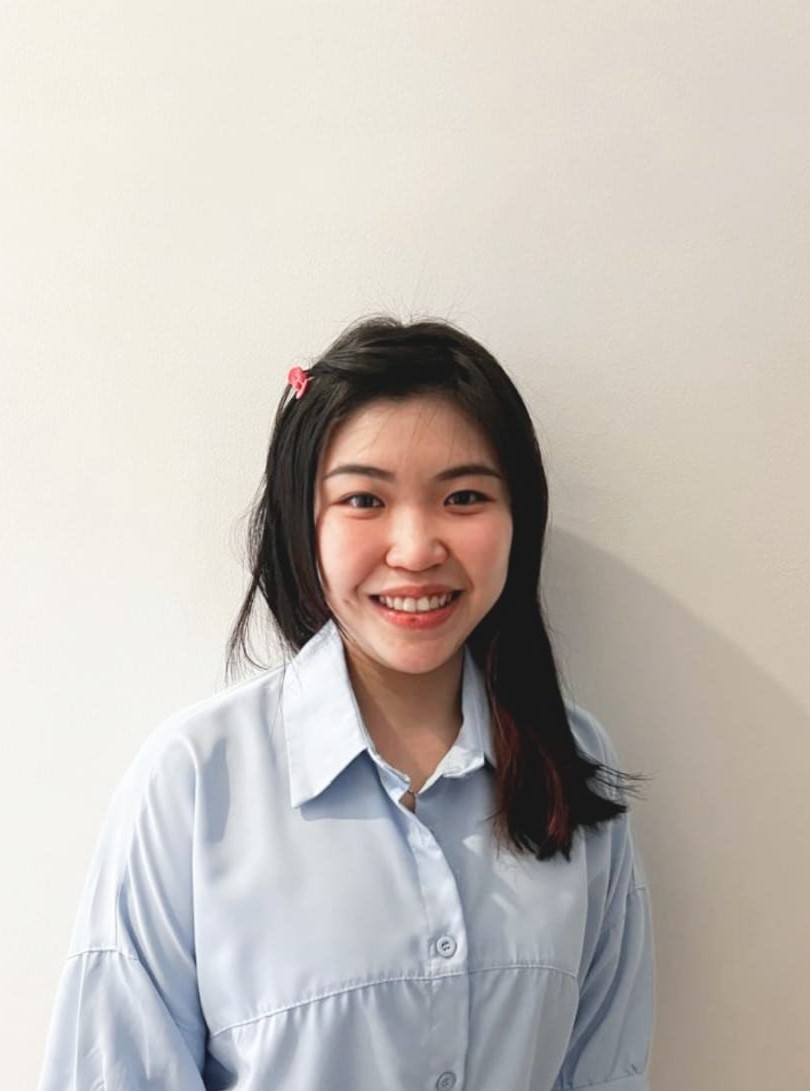
My interest in psychology first began during my early teenage years when I read House Rules by Jodi Picoult, a novel written from the perspective of a boy with Autism Spectrum Disorder (ASD). The book offered a glimpse into how he navigated daily life—struggling with social cues, relying on routines, and experiencing the world in ways that others didn’t understand. I was fascinated by how the mind works, and moved by how misunderstood and isolated he felt, despite his intelligence and good intentions. That story planted the seed of curiosity in me: how many others experience the world so differently, and how often are they misjudged or overlooked?
This curiosity became a conviction when I witnessed my grandfather’s decline due to what I later came to recognize as dementia. As his personality changed—becoming more forgetful, confused, and irritable—his children, including my own mother, were at a loss. They saw him as being “difficult” or “senile,” not understanding the medical and psychological roots behind his behaviour. He passed away without having received appropriate care or understanding, and it left behind a sense of helplessness, guilt, and regret in our family. This experience made me determined to pursue a degree in psychology—to better understand conditions like dementia, and more importantly, to support individuals and families in navigating these painful and complex changes with empathy, knowledge, and dignity.
I pursued a Bachelor of Psychology (Hons) at HELP University through a twinning programme and completed my sophomore and final year at Cardiff University in the UK. Throughout my university years, I developed a deeper understanding of various psychological disorders and their impact on individuals and families. I was also actively involved in community service, where I had the opportunity to engage with diverse groups—including children with special needs through an assisted reading programme, senior citizens in old folks’ homes, refugees, and underserved communities through soup kitchens. These experiences taught me not only about the realities faced by different populations but also about the importance of compassion, patience, and cultural sensitivity in mental health work.
After graduating, I worked as a behavioural and special needs therapist at an inclusive school for one year. This was a profoundly enriching experience that strengthened my resolve to pursue clinical psychology. I gained practical skills in understanding the functions behind children’s behaviours and in applying behavioural interventions tailored to those functions.
Motivated by a deep empathy for others and a desire to support individuals struggling with mental health challenges, I went on to pursue a Master of Clinical Psychology at Taylor’s University. During my practicum training, I had the opportunity to work with clients from diverse backgrounds across the lifespan, including children, adolescents, and adults. My clinical work involved conducting comprehensive psychological assessments as well as providing individual psychotherapy sessions under supervision. I was also involved in broader mental health advocacy—facilitating psychoeducational workshops and providing free mental health screenings at public events, which strengthened my confidence in community engagement and mental health promotion.
In therapy, I primarily draw upon an integrative approach, blending techniques from Cognitive Behavioural Therapy (CBT), Acceptance and Commitment Therapy (ACT), and Compassion-Focused Therapy (CFT). I believe that no single approach fits all, and I strive to adapt my interventions to suit each client’s unique needs, values, and goals. This flexibility allows me to meet clients where they are, while also empowering them to develop insight, build resilience, and move toward meaningful change.
Currently, I am working as a Wellness Coach under the Employee Assistance Program (EAP) at The Mind, where I support corporate clients through individual and group sessions, as well as trainings focused on mental health and emotional wellbeing.
I have come to appreciate that therapy is not only for those with diagnosable conditions—it is a space for anyone navigating emotional struggles, life transitions, or simply in need of being heard. Shaped by my own struggles with self-esteem and self-acceptance and having gone through the process of healing and self-reflection not only strengthened my emotional resilience but also deepened my desire to walk alongside others on their own journeys toward mental wellness. I believe that every person's journey is valid, no matter how big or small their problems may seem in comparison to others. My goal as a therapist is to create a safe and compassionate space where individuals feel understood, supported, and not alone in their experiences. I strive to empower clients to gain deeper self-awareness, reconnect with their values, and take meaningful steps toward healing, growth, and hope.